Episodes

1. Bar Knuckle Friendships
November 19, 2018
40 min
John steps into local social interactions, navigating challenges that are both physical and moral, while balancing the needs of family and the demands of a changing world. The episode mixes quiet tension, personal reflection, and moments of camaraderie, showing how John’s past skills and instincts interact with his new life. It’s a story about friendship, loyalty, and subtle lessons learned from experience.

2. Home Improvement for Beginners
November 21, 2018
40 min
John turns his attention to practical life at the farm, repairing, maintaining, and improving the homestead. While the pace is slow, the episode balances reflective character moments with subtle tension from lingering dangers or past obligations. It’s about learning patience, responsibility, and the satisfaction of building a stable life, with touches of humor as John navigates challenges he’s never faced in his outlaw days.

3. An Honest Day's Labors
November 23, 2018
40 min
John Marston fully commits to building a life of honest work, navigating the rhythms of the farm and his community. The episode is character-driven and reflective, focusing on personal growth, family ties, and the satisfaction—and challenges—of lawful labor. While quieter than the main story, there is gentle tension in balancing responsibility, lingering past threats, and moral choices, giving the story emotional depth.

4. The Tool Box
November 25, 2018
40 min
John Marston focuses on practical work around the homestead, learning that life after the gang involves patience, effort, and subtle problem-solving. The tension is low, but there are moments of moral and personal reflection, showing how past experiences shape present responsibilities. Humorous touches emerge as John navigates domestic challenges unfamiliar to an outlaw.

5. A New Jerusalem
November 27, 2018
50 min
John Marston and his family experience the rewards and challenges of a life built on lawfulness, labor, and personal growth. This episode emphasizes hope, legacy, and the consequences of past choices, showing the full emotional weight of John’s journey from outlaw to family man. While calmer than the main story, it is emotionally charged, providing reflection on everything that came before.

6. A Quick Favor for an Old Friend
November 29, 2018
40 min
John Marston finds himself helping an old ally, balancing the demands of friendship, loyalty, and family responsibilities. While the stakes are smaller than the main story, this episode is rich in character moments, showing how past bonds continue to influence his present. Humor and subtle tension arise from unexpected complications, and John’s moral choices remain central.
7. Uncles Bad Day
December 1, 2018
35 min
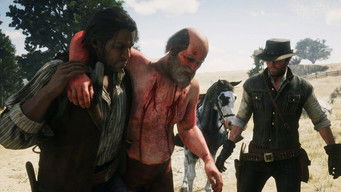
John and his family deal with unexpected small disasters and Uncle’s misadventures, balancing humour, mild tension, and reflection on life after the gang. While stakes are low, the episode is rich in character moments, showing how each member of the Marston family adapts to domestic life. It’s a lighter, heart-warming beat in the epilogue that contrasts with the more serious earlier arcs.

8. A Really Big Bastard
December 3, 2018
45 min
John faces a larger-than-life problem or antagonist, testing his skills, patience, and moral choices in a world he’s trying to live peacefully within. While he is mostly focused on family and rebuilding life, the past still throws challenges his way, blending tension, clever problem-solving, and personal stakes. This episode is a character-driven thrill ride, showing that even in a more peaceful life, John’s old instincts and sense of justice can’t be fully retired.

9. Trying Again
December 5, 2018
40 min
John encounters setbacks in his attempts to live a peaceful life, whether in domestic duties, family responsibilities, or lingering consequences of the past. The tension is subtle and personal, focusing on resilience, patience, and learning from mistakes. It’s a reflective episode that blends quiet humor, family moments, and character growth, emphasizing that life after chaos is a process, not an instant resolution.

10. A New Future Imagined
December 6, 2018
50 min
John, Abigail, and Jack look forward to a life shaped by their choices, work, and family bonds. The episode focuses on hope, legacy, and the consequences of past actions, blending quiet reflection with emotional closure. It emphasizes that while life is never perfect, the Marstons are building something meaningful together. The story is calm yet deeply affecting, offering a satisfying conclusion to the journey from chaos to domestic life.

11. American Venom
10.0
December 7, 2018
60 min
As tensions reach a breaking point, Dutch’s gang faces internal conflicts and external pressures, and John and Arthur navigate situations that test loyalty, morality, and survival instincts. The episode is full of intense personal confrontations, strategic decisions, and moments of reflection on the cost of the gang’s lifestyle. It balances high drama with emotional resonance, showing the consequences of past actions catching up to the characters.