Episodes

1. Welcome to the New World
November 18, 2018
40 min
The gang faces a world that feels increasingly unforgiving, where every choice carries consequences. This episode emphasizes personal stakes, loyalty, and moral judgment, showing how the characters confront a rapidly changing landscape and the outcomes of past actions. There’s tension and suspense, but the real drama comes from character decisions and their ripple effects.

2. Savagery Unleashed
November 18, 2018
45 min
The episode centers on confrontation, revenge, and the unraveling of tensions within and around the gang. It’s a morally charged story where every decision carries weight, and characters are forced to confront the outcomes of their past actions. The suspense is relentless, and the emotional stakes are at their peak.
3. A Kind and Benevolent Despot
November 18, 2018
40 min
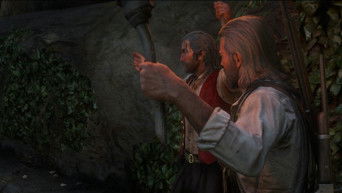
The episode explores leadership, loyalty, and the consequences of authority, as the gang faces difficult choices under pressure. What begins as a tense operation or negotiation quickly reveals the cracks in trust, the costs of ambition, and the moral compromises demanded by survival. Every character’s motivations are tested, and the tension is both internal and external.

4. Hell Hath No Fury
November 18, 2018
45 min
Tensions explode as the consequences of past choices catch up to the gang. Every relationship, decision, and act of loyalty is tested under extreme pressure. This episode is both action-driven and emotionally heavy, blending high-stakes confrontations with the deep moral and personal dilemmas the characters have been facing all season.
5. Paradise Mercifully Departed
November 18, 2018
50 min
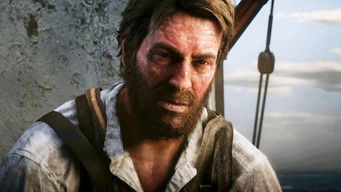
The story reaches its peak as the consequences of the gang’s choices come full circle. Tensions, betrayals, and loyalties converge, forcing characters to confront the weight of their past actions and the reality of their world. This episode leans heavily on emotion, moral reckoning, and character resolution, making it a powerful, poignant finale to the main story arc.

6. Dear Uncle Tacitus
November 18, 2018
30 min
Following the main story’s climax, the focus shifts to observation, contemplation, and the aftermath of choices. The episode centers on Arthur (or John, depending on perspective) as he navigates a quieter world, reflecting on past events and the people around him. It’s less about action and more about moral and social commentary, almost like a slow, character-driven letter to the world itself.

7. Fleeting Joy
November 18, 2018
30 min
Set amid the gang’s tense but temporarily settled period, this episode is a quiet, human-focused interlude. Arthur navigates moments of calm and small joys, often contrasted with the moral and social tension simmering around him. While the city’s bustle and gang politics continue in the background, the episode focuses on personal reflection, fleeting happiness, and subtle human connections.
8. A Fork in the Road
10.0
November 18, 2018
30 min
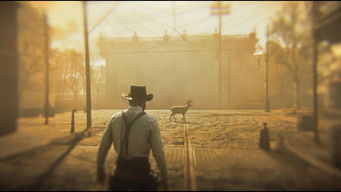
As the gang faces increasing pressure from outside forces, this episode focuses on critical decisions, moral dilemmas, and the growing tension within the group. Arthur finds himself at pivotal crossroads, forced to weigh loyalty, pragmatism, and personal ethics. While outward conflict simmers, the real drama is in the choices characters make and their potential fallout.

9. Icarus and Friends
November 18, 2018
35 min
The gang navigates social and moral pressures as ambitions and egos collide. The title hints at the danger of overreaching, and the episode balances personal choices, loyalty, and subtle consequences. While the stakes aren’t explosive, the tension is constant, as characters’ actions ripple across relationships and set the stage for the looming crises in Beaver Hollow.

10. That’s Murfree Country
November 18, 2018
35 min
The gang ventures into dangerous, lawless territory, where the landscape itself feels threatening and the moral stakes are high. The episode emphasizes survival, mistrust, and the unpredictability of the world outside the city, as Arthur and the others navigate both physical and ethical challenges. It’s less about outright conflict and more about tension, decisions, and consequences lurking in the shadows.