Episodes

1. The Wheel
November 18, 2018
45 min
John Marston steps into the aftermath of the Van der Linde gang’s collapse, tasked with rebuilding a semblance of life for his family. This episode focuses on reconnection, unfinished business, and the lingering consequences of a lawless world. While the pace is quieter than the main story, tension simmers as John navigates old debts, fragile alliances, and moral choices, showing how the past refuses to let go.

2. Simple Pleasures
November 18, 2018
40 min
John Marston begins to settle into a more ordinary life, trying to find moments of peace and stability while still navigating the lingering consequences of his past. The drama is more emotional and situational than action-packed, emphasizing family, moral responsibility, and personal reflection. While the pace is gentle, there are small tensions that hint at unfinished business from the gang’s past.
3. Farming, for Beginners
November 18, 2018
40 min
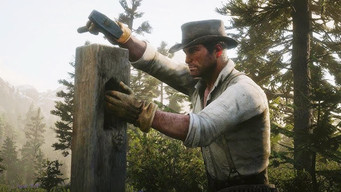
John takes his first steps toward building a stable life on the farm, learning the challenges of honest work and domestic responsibility. While the world outside still holds threats and moral choices, this episode focuses on growth, patience, and the small victories of everyday life. The tension is quiet, coming from the struggle to adapt and the lingering consequences of the past, while moments of humor and warmth lighten the emotional weight.

4. Fatherhood, for Beginners
November 18, 2018
50 min
John Marston faces the full weight of responsibility and legacy, striving to provide for his family while reconciling with the past. The drama is emotional and situational, focusing on family, personal growth, and the lasting consequences of earlier choices. Moments of quiet reflection are punctuated by subtle tension, as the world reminds John that life after the gang is not without challenges.
5. Old Habits
November 18, 2018
40 min
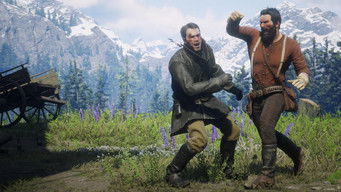
John Marston continues adjusting to life outside the gang, but old ways and lingering dangers remind him that the past isn’t easily left behind. The drama is both internal and situational, as John struggles with habitual instincts, moral choices, and protecting his family. While quieter than the main story, there’s a persistent tension beneath domestic life, showing how hard it is to truly escape the life of an outlaw.

6. Jim Milton Riders, Again?
November 18, 2018
40 min
In this episode, John Marston encounters trouble from lingering outlaws and old enemies, highlighting that the past doesn’t fully let go. The story blends quiet tension, moral choices, and subtle action, showing John navigating danger while trying to maintain a stable life for his family. The stakes are smaller than the main story but personally significant, emphasizing character growth and reflection.

7. Fatherhood, for Idiots
November 18, 2018
50 min
John Marston fully embraces the challenges and responsibilities of fatherhood, navigating the trials of family life, legacy, and morality in a world that still has echoes of his past. The tension is mostly emotional and situational, highlighting the struggle to balance personal growth, domestic duties, and the consequences of a former outlaw life. Moments of humor and warmth contrast with underlying bittersweet reality.

8. Motherhood
November 18, 2018
40 min
While John focuses on fatherhood and settling the past, this episode highlights Abigail’s struggles and triumphs as a mother. The story explores her resilience, moral choices, and the challenges of protecting her family in a world still echoing with the gang’s consequences. It’s a quieter, reflective story, heavy on emotional stakes and character depth.
9. Gainful Employment
November 18, 2018
40 min
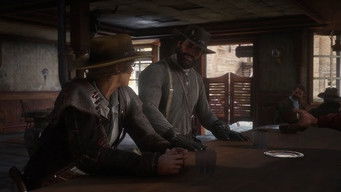
John Marston begins to establish a sustainable livelihood, facing the realities of hard work, moral choices, and supporting his family. The tension is subtle—coming from both lingering dangers of the past and the challenges of responsible adult life. The episode is character-driven, with humor, warmth, and quiet reflection woven through John’s adjustment to a lawful, domestic routine.

10. Home of the Gentry?
November 18, 2018
40 min
John Marston navigates the challenges of society and work outside the gang, visiting areas and people connected to civilized life and new opportunities. While the stakes are smaller than the main story, the drama comes from moral choices, social navigation, and the subtle tension of old conflicts resurfacing. It’s a story about adaptation, survival, and understanding the world he now inhabits.