Episodes
1. Visiting Hours
November 18, 2018
35 min
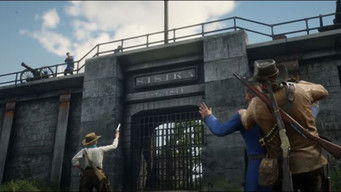
This episode focuses on Arthur navigating personal and moral encounters in the quieter corners of the world, even as the larger tensions of the gang and city life loom overhead. It’s a story of observation, subtle confrontation, and the human cost of past actions, with moments of quiet suspense punctuating character interactions.

2. Just a Social Call
November 18, 2018
35 min
The gang navigates the city’s social and political landscapes, attending events and interactions that are outwardly civilized but layered with hidden tensions and unspoken stakes. Arthur observes, negotiates, and weighs his choices, understanding that in this world, every polite interaction can carry danger or moral compromise. The episode emphasizes character dynamics, subtle intrigue, and the consequences of social maneuvering.

3. A Rage Unleashed
November 18, 2018
40 min
The story escalates as Arthur faces mounting pressures from both external enemies and internal gang conflicts. The episode is emotionally heavy, showcasing the destructive side of human anger and the moral weight of retaliation. While action and tension are present, the real drama comes from choices, consequences, and the unravelling of trust and loyalty within the group.

4. The Delights of Van Horn
November 18, 2018
30 min
The gang ventures into the lawless, chaotic town of Van Horn, a place where the veneer of civility barely exists. The episode emphasizes mischief, moral ambiguity, and character interactions, highlighting the world’s unpredictability and the sometimes absurd consequences of choices. While lighthearted moments appear, tension and danger lurk beneath, giving the episode a darkly humorous but uneasy edge.

5. Archeology for Beginners
November 18, 2018
30 min
The gang—and Arthur in particular—explores forgotten places, hidden histories, and the traces of past lives. The episode emphasizes curiosity, reflection, and the small joys of discovery. While the world outside remains tense and morally complex, this story is slower, quieter, and almost meditative, allowing for moments of wonder and character reflection.

6. The Bridge to Nowhere
November 18, 2018
35 min
Set in a remote and dangerous stretch of land, the gang faces physical and moral challenges that highlight both the unpredictability of the world and the consequences of past decisions. The episode alternates between suspenseful sequences and quiet, character-driven reflection, emphasizing Arthur’s growing awareness of how fragile control and morality really are.
7. Honor, Amongst Thieves
November 18, 2018
35 min
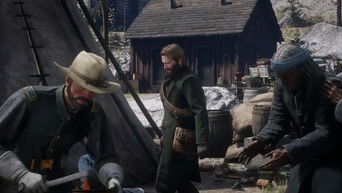
The gang navigates the murky line between survival, loyalty, and betrayal. While outwardly operating under a veneer of camaraderie, underlying tensions and moral compromises simmer just beneath the surface. The episode emphasizes choices, loyalty tests, and subtle conflicts, showing that even in a group bound by shared survival, honor is fragile.

8. The Fine Art of Conversation
10.0
November 18, 2018
30 min
This episode revolves around Arthur and the gang navigating the delicate politics and social dynamics of Saint Denis. On the surface, it’s about polite interactions, negotiation, and appearances—but beneath, tension simmers, loyalties are tested, and hidden agendas bubble under the surface. The drama comes from what’s said, unsaid, and implied, making every encounter a moral and emotional negotiation.

9. Goodbye, Dear Friend
November 18, 2018
35 min
This is a quiet yet emotionally charged episode, focusing on farewells, the consequences of past actions, and the fragility of life. While external tension still simmers, the core drama comes from Arthur and others confronting loss, moral reckoning, and the emotional cost of their choices. It’s a story of reflection, humanity, and the quiet weight of endings.

10. Mrs. Sadie Adler, Widow
November 18, 2018
35 min
This episode focuses on Sadie Adler’s personal evolution after tragedy, highlighting her growing strength, independence, and moral resolve. While the gang faces tension in Saint Denis, the story zeroes in on her character journey, showing how grief and loss can forge resilience and determination. It’s a mix of subtle suspense, character reflection, and empowerment drama.

11. Favored Sons
10.0
November 18, 2018
35 min
In this episode, the gang navigates alliances, favors, and the delicate balance of loyalty versus ambition. While some interactions are outwardly cordial, underlying tensions and hidden motives create a slow-burning drama. The episode emphasizes trust, betrayal, and the consequences of favoritism, showing that even small advantages can have significant ripple effects.

12. The King’s Son
9.0
November 18, 2018
30 min
Set against the backdrop of the gang’s growing pressures, this episode focuses on family, legacy, and the consequences of ambition. Arthur and others are forced to navigate social and moral expectations while confronting the personal cost of loyalty and reputation. The drama comes less from action and more from dialogue, moral reflection, and character interactions.

13. My Last Boy
10.0
November 18, 2018
35 min
This episode centers on loss, legacy, and the personal cost of the gang’s lifestyle. Arthur and others confront the emotional and moral consequences of their past actions, emphasizing reflection, loyalty, and the human cost of survival. While not action-heavy, the tension comes from moral reckoning and the fragility of life, making it a quietly powerful installment.

14. Our Best Selves
10.0
November 18, 2018
35 min
This story focuses on Arthur and the gang confronting what it means to act with integrity, loyalty, and personal honor. While external threats still exist, the drama comes from internal conflicts, moral dilemmas, and reflection on past choices. It’s an introspective episode that emphasizes how far individuals can—or cannot—live up to their ideals in a morally messy world.

15. Red Dead Redemption
10.0
November 18, 2018
50 min
This is the emotional and narrative apex of the story, where all threads—loyalties, betrayals, personal choices, and consequences—come to a head. Arthur and the gang face the ultimate stakes, and the episode is as much about moral reckoning and reflection on the human cost of survival as it is about final confrontations. It blends quiet, reflective moments with tension and resolution, giving the story a weighty, unforgettable closure.